Understanding Circuit Breakers: Types, Safety & Solutions
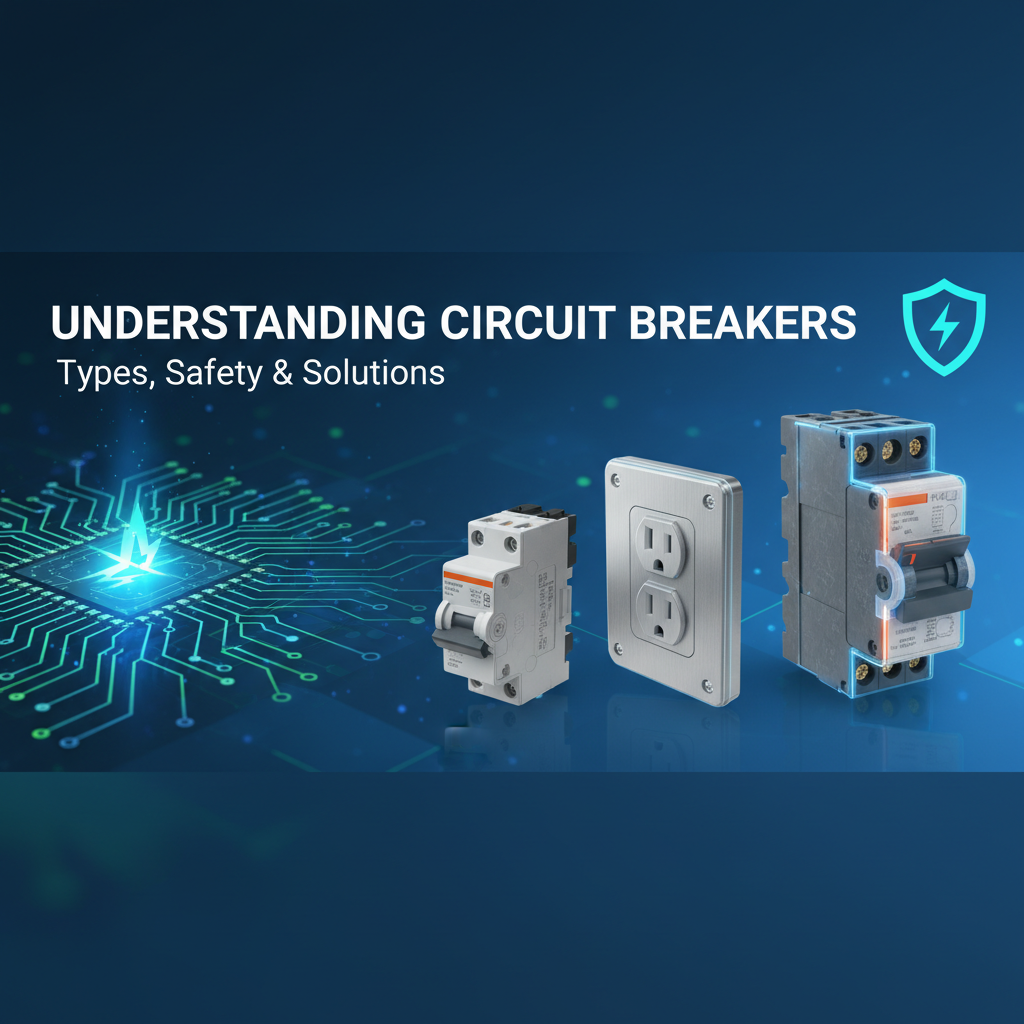


In the intricate dance of modern life, electricity is the lifeblood that powers our homes, businesses, and industries. Yet, this invisible force, while indispensable, harbors inherent dangers that necessitate robust safeguards. At the forefront of these protective measures stands the humble yet critically important circuit breaker. Often overlooked until an anomaly occurs, these devices are the silent sentinels, working tirelessly to prevent catastrophic failures, safeguard precious equipment, and, most importantly, protect human lives from the perils of electrical hazards. They are far more sophisticated than simple on/off switches; they are intelligent guardians engineered to detect and interrupt dangerous electrical conditions before they escalate.
This comprehensive exploration delves deep into the world of circuit breakers, unraveling their fundamental principles, examining the diverse array of types that cater to specific needs, highlighting the paramount importance of their safety functions, and finally, looking towards the innovative solutions shaping their future. From the compact units protecting individual household appliances to the monumental systems safeguarding entire industrial grids, understanding circuit breakers is not merely an exercise in technical knowledge but a vital step towards appreciating the pervasive safety infrastructure that underpins our electrified world. We will navigate the complexities of overcurrent protection, demystify the mechanisms of fault detection, and underscore why the correct selection, installation, and maintenance of these essential devices are non-negotiable for anyone operating within an electrically powered environment.
The Fundamental Principles of Electrical Circuit Breaking: Guardians Against Overload and Short Circuit
At its core, a circuit breaker serves a singular, critical purpose: to protect an electrical circuit from damage caused by an overcurrent or short circuit. Without such protection, excessive current flow can lead to overheating, melting of wires, equipment destruction, and, most dangerously, electrical fires and electrocution hazards. To fully grasp the importance of circuit breakers, it is essential to first understand the two primary threats they are designed to mitigate: overloads and short circuits.
An overload occurs when too much current flows through an electrical circuit, exceeding its design capacity. Imagine a single extension cord plugged into a wall outlet, and then multiple power-hungry appliances—say, a space heater, a microwave, and a hair dryer—are all plugged into that extension cord simultaneously. Each appliance draws current, and the sum of these currents might easily surpass the safe limit for both the extension cord and the branch circuit wiring behind the wall. This excessive current causes the conductors to heat up. While minor overloads might only cause gradual degradation, significant overloads can quickly generate enough heat to melt insulation, ignite nearby combustible materials, and damage the appliances themselves. Circuit breakers are designed with specific current ratings (e.g., 15 A, 20 A, 30 A) to match the ampacity (current-carrying capacity) of the wiring they protect. When the current continuously exceeds this rating for a certain duration, the circuit breaker must trip.
A short circuit, by contrast, is a much more sudden and often more violent event. It happens when an unintended, low-resistance path is created for current to flow. This typically occurs when a hot (live) wire accidentally touches a neutral wire or a ground wire, bypassing the normal load. Because the resistance in this new path is extremely low, Ohm's Law (V=IR) dictates that the current (I=V/R) will surge to extraordinarily high levels instantaneously—often hundreds or even thousands of times the normal operating current. This massive surge of current generates immense heat and electromagnetic forces, capable of vaporizing wires, causing explosive arcs, and creating immediate fire hazards. Due to their destructive potential, circuit breakers must react to short circuits with extreme speed, often tripping within milliseconds.
To detect these two distinct conditions, most conventional circuit breakers employ a combination of thermal and magnetic tripping mechanisms.
The thermal tripping mechanism primarily addresses overloads. It utilizes a bimetallic strip, which is a composite of two different metals bonded together, each with a distinct coefficient of thermal expansion. The circuit current flows through this bimetallic strip. Under normal operating conditions, the heat generated by the current is insufficient to cause significant deflection. However, when an overload occurs, the prolonged excessive current causes the bimetallic strip to heat up. As it heats, the two metals expand at different rates, causing the strip to bend. This bending motion, when it reaches a predetermined threshold, mechanically trips a latch mechanism, which in turn opens the circuit breaker's contacts, interrupting the current flow. This thermal response is inherently time-delayed: the higher the overload current, the faster the strip heats and bends, and thus the quicker the trip. This characteristic allows for temporary current surges (like motor starting currents) without nuisance tripping, while still protecting against sustained overloads.
The magnetic tripping mechanism, on the other hand, is designed for the rapid response required during a short circuit. It consists of an electromagnet (a coil of wire) through which the circuit current flows. When a short circuit occurs, the enormous surge of current flowing through this coil generates a powerful magnetic field almost instantaneously. This magnetic field is strong enough to attract an armature (a small metal plunger or lever), which then mechanically strikes and trips the same latch mechanism that the thermal element would. Because the magnetic field is created by the instantaneous current, this mechanism operates with virtually no intentional delay, providing crucial fast-acting protection against the most destructive faults. This is why magnetic trips are often referred to as "instantaneous trips."
Once the tripping mechanism is activated, whether thermally or magnetically, the contacts inside the circuit breaker separate, creating an air gap that breaks the electrical circuit. However, simply opening the contacts is not enough, especially at higher voltages and currents. As the contacts separate, the current tries to bridge the gap, creating an intensely hot and ionized plasma known as an electrical arc. This arc can sustain current flow even after the contacts have opened, and it can cause severe damage to the contacts themselves or even lead to a re-strike of the current. Therefore, circuit breakers incorporate sophisticated arc extinguishing mechanisms. These mechanisms vary depending on the type and rating of the breaker but commonly include:
- Arc chutes (or arc quenchers): These are a series of metal plates designed to draw the arc into a confined space, stretch it, cool it, and break it into smaller, more manageable segments, thereby rapidly extinguishing it.
- Insulating gases: For higher voltage applications, gases like Sulfur Hexafluoride (SF6) have excellent arc-quenching properties.
- Vacuum interrupters: In vacuum circuit breakers, the contacts operate within a sealed vacuum chamber, where the absence of air or other gases prevents the formation and sustenance of an arc.
The effective operation of these combined mechanisms ensures that the circuit breaker can safely interrupt current under fault conditions and be reset manually once the fault has been cleared, making them a reusable and highly reliable form of protection, a significant advantage over single-use fuses.
Types of Circuit Breakers: A Comprehensive Overview for Every Application
The world of circuit breakers is incredibly diverse, with various types engineered to meet the specific demands of different voltage levels, current ratings, fault conditions, and environmental factors. Understanding these distinctions is crucial for proper selection and ensuring optimal electrical safety and system performance. We can broadly categorize them by their operating voltage level and their primary protection function.
Miniature Circuit Breakers (MCBs)
Miniature Circuit Breakers (MCBs) are the most common type of circuit breaker found in residential and light commercial applications. They are designed to protect against overcurrent and short-circuit faults in low-voltage electrical installations, typically up to 100 amps and often up to 400V. MCBs are characterized by their compact size, typically fitting into standard distribution boards or consumer units. Their operational principle combines both thermal and magnetic tripping mechanisms, as discussed earlier. The thermal element protects against sustained overloads, while the magnetic element provides instantaneous protection against short circuits.
A key feature of MCBs is their trip curve characteristics, which define how quickly they trip at various multiples of their rated current. These curves are standardized (e.g., B, C, D, K, Z) to match the inrush current characteristics of different types of loads:
- Type B Curve: Trips quickly, typically between 3 to 5 times the rated current. Ideal for purely resistive loads like lighting and heating elements where small overcurrents could be problematic, or for protection of long cables where fault loop impedance is higher.
- Type C Curve: Trips between 5 to 10 times the rated current. This is the most common type for general-purpose applications, suitable for mixed loads with moderate inrush currents, such as typical household appliances, motors, and fluorescent lighting.
- Type D Curve: Trips between 10 to 20 times the rated current. Designed for loads with very high inrush currents, like transformers, X-ray machines, and welding equipment, where a lower trip curve would lead to nuisance tripping during normal startup.
- Type K Curve: Magnetic trip between 8 to 12 times the rated current. Similar to D curve but with a steeper thermal characteristic, making it sensitive to sustained overloads but tolerant of very short, high inrush currents.
- Type Z Curve: Magnetic trip between 2 to 3 times the rated current. Extremely sensitive, used for protecting very sensitive electronic circuits and semiconductor devices that have low tolerance for overcurrents.
MCBs also have a specified breaking capacity, indicated in kA (kiloamperes), which represents the maximum short-circuit current they can safely interrupt without damage to the breaker itself. Typical residential MCBs might have breaking capacities of 6 kA or 10 kA, while commercial applications might require higher ratings. Their reusability, clear on/off indication, and ease of installation make them indispensable in modern electrical systems.
Molded Case Circuit Breakers (MCCBs)
Molded Case Circuit Breakers (MCCBs) are a robust step up from MCBs, designed for higher current ratings (typically from 100 A up to 2500 A or more) and higher voltage applications in commercial, industrial, and heavy residential settings. They derive their name from the fact that their operational components are encased within a rigid, molded insulating material (usually thermoset composite resin), which provides insulation and structural integrity. MCCBs are frequently used for main service entrances, feeder circuits, and protection of large motors and transformers.
Unlike the fixed trip characteristics of most MCBs, many MCCBs offer adjustable trip units, providing greater flexibility in protection settings. These adjustments can be for:
- Thermal (Long-Time Delay) Trip: Allows adjustment of the overload tripping threshold and/or the delay time, useful for coordinating protection in complex systems or accommodating varying load conditions.
- Magnetic (Instantaneous) Trip: Allows adjustment of the short-circuit tripping threshold. This is crucial for selectivity, ensuring that only the circuit breaker closest to the fault trips, minimizing power disruption to healthy parts of the system.
- Ground-Fault Protection: Many modern MCCBs incorporate ground-fault protection to detect current leakage to the ground, offering enhanced safety.
- Electronic Trip Units: High-end MCCBs often utilize microprocess-based electronic trip units. These provide highly accurate and customizable trip characteristics, including long-time, short-time, instantaneous, and ground-fault protection, with precise digital settings. They can also offer communication capabilities for integration into building management systems.
MCCBs typically have higher breaking capacities than MCBs, ranging from tens of kA up to hundreds of kA, necessary to safely interrupt the much larger fault currents encountered in industrial power distribution. Their robust construction and adjustable features make them a versatile and essential component in medium-to-large scale electrical installations.
Air Circuit Breakers (ACBs)
Air Circuit Breakers (ACBs) are employed in large industrial and utility distribution applications for very high current ratings (typically from 800 A to 6300 A) and medium voltage levels (up to 1 kV). They are used as main incoming breakers in switchgear panels, protecting primary feeders and large transformers. ACBs utilize air at atmospheric pressure as the arc extinguishing medium. When a fault occurs and the contacts open, the arc is drawn into an arc chute, which cools, lengthens, and splits the arc into smaller arcs, effectively extinguishing it.
ACBs are characterized by their robust construction, high breaking capacities (often exceeding 100 kA), and sophisticated electronic trip units. These electronic units offer highly customizable protection curves, advanced metering functions, communication capabilities, and often integrate fault recording and diagnostic features. Their design allows for easy maintenance, including inspection and replacement of contacts, making them suitable for critical applications where continuity of service and reliability are paramount. ACBs are often designed as "draw-out" units, meaning the breaker assembly can be easily withdrawn from its cubicle for maintenance or replacement without disturbing the main busbars.
Vacuum Circuit Breakers (VCBs)
Vacuum Circuit Breakers (VCBs) are predominantly used in medium-voltage applications, typically ranging from 3.3 kV to 38 kV, where they protect industrial plants, substations, and power distribution networks. Their defining characteristic is the use of a hermetically sealed vacuum interrupter chamber, where the electrical contacts operate. When the contacts open under fault conditions, the absence of air or other gases within the vacuum chamber prevents the formation of a significant arc. Any metallic vapor produced by the arc dissipates rapidly, leading to extremely fast arc extinction (often within half a cycle).
VCBs offer several advantages:
- High dielectric strength: Vacuum has excellent insulating properties.
- Fast arc extinction: Leads to minimal contact erosion and longer lifespan.
- Compact size: Due to the efficient arc quenching, VCBs are smaller than other medium-voltage breakers.
- Maintenance-free: The sealed nature of the vacuum interrupter means no need for refilling or checking insulating gases.
- Environmentally friendly: No harmful gases are used or emitted.
These benefits make VCBs a popular choice for switchgear in modern industrial facilities, power plants, and renewable energy installations.
Sulfur Hexafluoride (SF6) Circuit Breakers
Sulfur Hexafluoride (SF6) Circuit Breakers are primarily used in high-voltage and extra-high-voltage transmission systems (from 36 kV up to 800 kV and beyond) found in substations and power grids. SF6 gas is an extremely effective arc-quenching medium, possessing excellent dielectric (insulating) and thermal properties. It is chemically inert and non-flammable. When contacts open in an SF6 environment, the gas rapidly absorbs the energy from the arc, cooling it and quenching it very quickly.
SF6 breakers offer:
- Very high breaking capacity: Capable of interrupting enormous fault currents at extremely high voltages.
- Compact design: The superior dielectric strength and arc-quenching ability of SF6 allow for smaller physical dimensions compared to air-insulated breakers for the same voltage rating.
- Reliability: High performance and long operational life.
However, SF6 is a potent greenhouse gas, approximately 23,500 times more effective at trapping heat than carbon dioxide over a 100-year period. While it is contained within sealed systems, environmental concerns are driving research into alternatives and stricter regulations for SF6 handling and recycling. Despite this, their unmatched performance in high-voltage applications ensures their continued use, albeit with increasing focus on minimizing emissions.
Specialized Circuit Breakers for Enhanced Safety
Beyond general overcurrent and short-circuit protection, several specialized types of circuit breakers exist to address specific, critical safety concerns that conventional breakers might miss.
Residual Current Devices (RCDs) / Ground Fault Circuit Interrupters (GFCIs)
Residual Current Devices (RCDs), known as Ground Fault Circuit Interrupters (GFCIs) in North America, are designed to protect against electric shock by detecting small leakage currents to ground. Unlike MCBs or MCCBs, which respond to overcurrents through the circuit, RCDs/GFCIs monitor the balance of current between the live and neutral conductors. In a healthy circuit, the current flowing out on the live wire should exactly equal the current returning on the neutral wire.
If a person accidentally touches a live wire or if there is faulty insulation causing current to leak to ground (e.g., through a damp wall or a faulty appliance casing), a small portion of the current will bypass the neutral wire and flow to ground. This creates an imbalance—the current returning on the neutral wire will be slightly less than the current leaving on the live wire. An RCD/GFCI uses a differential current transformer to detect this minuscule imbalance (typically 10mA or 30mA). Upon detecting an imbalance, it very rapidly trips, interrupting the power within milliseconds. This rapid response is crucial because even small currents passing through the human body can cause fatal electrocution.
RCDs/GFCIs are mandated in areas where the risk of electric shock is higher, such as bathrooms, kitchens, outdoor receptacles, swimming pool areas, and construction sites. They are often integrated into circuit breakers (RCBOs - Residual Current Breaker with Overcurrent protection) or available as standalone units.
Arc Fault Circuit Interrupters (AFCIs)
Arc Fault Circuit Interrupters (AFCIs) are designed to protect against electrical fires caused by dangerous arc faults. An arc fault is an unintentional electrical discharge between two conductors. Unlike a short circuit (which involves a direct, high-current connection), arc faults can be intermittent and may not draw enough current to trip a conventional MCB/MCCB, yet they generate significant heat that can ignite insulation and surrounding materials, leading to devastating fires.
Arc faults typically occur due to damaged wire insulation, pinched wires, loose connections, or frayed appliance cords. AFCIs use sophisticated electronic circuitry and digital signal processing to continuously monitor the current waveform in the protected circuit. They are specifically programmed to detect the unique, irregular current signatures that characterize dangerous arcing (both series arcs, within a single conductor, and parallel arcs, between conductors or to ground), distinguishing them from normal arcing that occurs during switching operations (e.g., flipping a light switch or plugging in an appliance). When a persistent, hazardous arc fault signature is detected, the AFCI trips, disconnecting power before a fire can start.
AFCIs are primarily required in residential sleeping areas (bedrooms) and other living spaces (e.g., family rooms, dining rooms) in many building codes, as these are areas where arcing faults are more likely to go unnoticed and cause fires. The National Electrical Code (NEC) in the United States has expanded AFCI requirements to cover most branch circuits in dwelling units.
| Circuit Breaker Type | Primary Protection | Typical Current Range (A) | Typical Voltage Range (V) | Key Applications | Special Features / Notes |
|---|---|---|---|---|---|
| MCB | Overload, Short Circuit | 1 - 100 | Up to 400 | Residential, light commercial lighting & appliance circuits | Standardized trip curves (B, C, D) for different loads. |
| MCCB | Overload, Short Circuit, Ground Fault | 100 - 2500+ | Up to 1000 | Commercial, industrial feeders, main service entrances, large motors | Adjustable trip units (thermal, magnetic, electronic); higher breaking capacity. |
| ACB | Overload, Short Circuit, Ground Fault | 800 - 6300+ | Up to 1000 | Main distribution panels, industrial switchgear, power plants | Air as arc quenching; electronic trip units; draw-out design for maintenance. |
| VCB | Overload, Short Circuit | 100 - 3000 | 3.3 kV - 38 kV | Medium-voltage distribution, industrial power, substations | Vacuum interrupters for arc quenching; compact, low maintenance. |
| SF6 CB | Overload, Short Circuit | 100 - 8000+ | 36 kV - 800 kV+ | High/extra-high voltage transmission, substations, power grids | SF6 gas as arc quenching; extremely high breaking capacity; environmental concerns. |
| RCD/GFCI | Electric Shock (Ground Fault) | 10 - 63 (as module), up to 100 (as breaker) | Low Voltage (120-240) | Wet areas (bathrooms, kitchens), outdoor receptacles | Detects current imbalance (e.g., 10mA, 30mA); fast acting. |
| AFCI | Electrical Fire (Arc Fault) | 15 - 20 | Low Voltage (120-240) | Residential bedrooms, living areas | Detects unique arc fault current signatures; prevents fires. |
This detailed understanding of circuit breaker types highlights the sophisticated engineering behind electrical protection. Each type is a purpose-built solution designed to address specific risks and operational requirements, collectively forming a robust defense against electrical hazards across all scales of application.
The Unseen Dangers: Why Circuit Breaker Safety is Paramount
The presence of electricity in our daily lives is so ubiquitous that its inherent dangers are often taken for granted. While a flick of a switch can bring light, warmth, or entertainment, an uncontrolled electrical event can unleash destructive forces, leading to severe injuries, widespread damage, and even fatalities. This is precisely why the concept of "circuit breaker safety" transcends mere compliance with regulations; it is a fundamental pillar of responsible electrical infrastructure management. The paramount importance of circuit breakers lies in their ability to proactively intervene against three primary categories of hazards: electric shock, electrical fires, and damage to appliances and infrastructure.
Electric shock hazards represent one of the most immediate and terrifying risks associated with electricity. When a person becomes part of an electrical circuit, current flows through their body. The severity of the shock depends on several factors, including the magnitude of the current, the path it takes through the body, the duration of exposure, and the individual's physiological state. Even small currents (as low as 10-20 milliamps) can cause painful muscle contractions, loss of breathing control, or fibrillation of the heart, which can be fatal. Higher currents can lead to severe burns, internal organ damage, and immediate cardiac arrest. Conventional circuit breakers (MCBs/MCCBs) primarily protect against overcurrents that could damage wiring, but they are generally too slow to trip for the minute leakage currents that cause electric shock, particularly if the current finds an alternative path to ground without returning through the neutral wire. This is where specialized circuit breakers like Residual Current Devices (RCDs) or Ground Fault Circuit Interrupters (GFCIs) become indispensable. By swiftly detecting even tiny imbalances in current, RCDs/GFCIs offer a vital layer of personal protection against the invisible killer that is electric shock, making them mandatory in environments with increased risk, such as wet locations or outdoor settings.
Electrical fires are another devastating consequence of uncontrolled electrical energy. They are often less dramatic than an immediate explosion but can spread rapidly and cause immense property damage and loss of life. Electrical fires typically stem from two main scenarios: sustained overloads and arc faults. As discussed, a prolonged overload causes wires to overheat. If the circuit breaker is improperly sized, faulty, or bypassed, the insulation around the conductors can melt and ignite, spreading fire to combustible materials in walls, ceilings, or near electrical panels. Far more insidious are arc faults. These occur when damaged insulation, loose connections, or frayed wires create intermittent, high-resistance electrical discharges. These arcs generate intense localized heat, sometimes reaching temperatures comparable to the surface of the sun, easily igniting surrounding dust, wood, or fabric. Critically, these arc currents may not be high enough to trip a standard MCB/MCCB, allowing the fire hazard to persist and grow unnoticed. Arc Fault Circuit Interrupters (AFCIs) were specifically developed to combat this silent threat. By meticulously analyzing the electrical waveform for the unique signatures of dangerous arcing, AFCIs can detect these precursors to fire and cut power before ignition occurs, offering a crucial layer of protection against a leading cause of residential fires.
Finally, the absence of proper circuit breaker protection also poses a significant risk of damage to appliances and infrastructure. While human life is undoubtedly the highest priority, the economic repercussions of electrical faults can be substantial. An unchecked short circuit or sustained overload can instantly fry sensitive electronics, destroy expensive machinery, or severely damage the integrity of an entire electrical distribution system. Beyond the immediate destruction, repeated electrical stress on wiring and components can lead to premature failure, increased maintenance costs, and operational downtime. In industrial settings, the failure of a critical motor due to inadequate protection can halt an entire production line, leading to massive financial losses. Circuit breakers, by isolating faults quickly, localize the damage, ensuring that only the affected part of the circuit is taken offline, thereby safeguarding the rest of the system and connected equipment.
The human element plays a critical role in circuit breaker safety. Issues like improper wiring, the use of undersized circuit breakers, bypassing safety devices (e.g., using coins in fuse boxes or taping down breaker handles), or failure to address loose connections are recipes for disaster. These actions undermine the very safety mechanisms designed to protect us. Therefore, the importance of proper sizing, professional installation by qualified electricians, and adherence to stringent electrical codes (such as the National Electrical Code in North America or IEC standards globally) cannot be overstated. These codes establish minimum safety requirements for electrical installations, specifying everything from wire gauges to circuit breaker types and locations.
Moreover, regular inspection and maintenance of electrical systems, including circuit breakers, are vital. Over time, connections can loosen, components can degrade, and breakers can weaken, especially after repeated tripping. While modern circuit breakers are largely maintenance-free compared to older fuse systems, periodic checks by professionals can identify potential issues before they become hazards. This proactive approach ensures that the silent guardians of our electrical world remain vigilant and effective, ready to protect against the unseen dangers that electricity can unleash.
APIPark is a high-performance AI gateway that allows you to securely access the most comprehensive LLM APIs globally on the APIPark platform, including OpenAI, Anthropic, Mistral, Llama2, Google Gemini, and more.Try APIPark now! 👇👇👇
Installation, Maintenance, and Troubleshooting: Ensuring Continuous Electrical Integrity
The efficacy of any circuit breaker system is inextricably linked to its correct installation, diligent maintenance, and the ability to effectively troubleshoot issues when they arise. These aspects form the practical foundation upon which the theoretical safety benefits of circuit breakers are realized, ensuring continuous electrical integrity and mitigating potential hazards.
Choosing the Right Circuit Breaker: A Critical First Step
The process begins long before installation: with the crucial decision of choosing the right circuit breaker for a given application. This selection is not arbitrary; it depends on a multitude of factors, each vital for optimal safety and performance.
- Current Rating (Amperage): The most fundamental consideration. The circuit breaker's amperage rating (e.g., 15 A, 20 A, 30 A) must precisely match or be slightly lower than the ampacity of the wiring it protects. An undersized breaker will lead to nuisance tripping, while an oversized breaker will fail to protect the wiring from dangerous overloads, potentially causing fires before the breaker trips. This rating also needs to align with the anticipated load requirements of the circuit.
- Voltage Rating: The breaker's voltage rating must be equal to or greater than the circuit voltage it protects (e.g., 120V, 240V, 480V). Using a breaker with an insufficient voltage rating can lead to insulation breakdown and failure during fault conditions.
- Breaking Capacity (Interrupting Rating): This specifies the maximum short-circuit current the breaker can safely interrupt without being destroyed. It is typically expressed in kA (kiloamperes). The breaking capacity must be equal to or greater than the maximum prospective short-circuit current available at the point of installation. This is a critical safety parameter, especially in commercial and industrial settings where fault currents can be very high. An underestimated breaking capacity can lead to explosive breaker failure during a severe short circuit.
- Type of Protection: Beyond basic overcurrent (thermal-magnetic) protection, the specific application dictates the need for specialized breakers:
- RCDs/GFCIs: Essential in wet locations (bathrooms, kitchens, outdoors) to protect against electric shock.
- AFCIs: Mandatory in living and sleeping areas to prevent electrical fires caused by arc faults.
- Trip Curve Characteristics (for MCBs): Selecting B, C, or D type curves ensures the breaker properly handles the inrush currents of specific loads without nuisance tripping while still providing effective protection.
- Number of Poles: Single-pole breakers protect one live conductor, common for 120V circuits. Double-pole breakers protect two live conductors, used for 240V circuits or multi-wire branch circuits. Three-pole breakers are for three-phase systems.
- Manufacturer and Compatibility: While many breakers are standardized, ensuring compatibility with the specific electrical panel (distribution board/consumer unit) is crucial. Using a breaker not approved for a particular panel can void warranties and create unsafe conditions.
Professional Installation vs. DIY Dangers
Given the inherent complexities and critical safety implications, professional installation by a qualified and licensed electrician is almost always the recommended approach for any new circuit breaker installation or significant modification to an existing electrical system. Electricians possess the expertise to:
- Accurately assess load requirements and calculate prospective fault currents.
- Select the correct wire gauges and conduit types.
- Ensure proper grounding and bonding.
- Strictly adhere to local and national electrical codes (e.g., NEC, IEC standards), which are complex and constantly updated.
- Perform all connections securely, minimizing the risk of loose contacts that can cause overheating or arc faults.
- Conduct necessary testing to verify the integrity and safety of the installed circuit.
Attempting DIY electrical work without adequate knowledge and experience carries significant risks. Mistakes can lead to serious hazards, including:
- Electric shock or electrocution during installation.
- Electrical fires due to incorrect wiring, improper sizing of components, or loose connections.
- Damage to appliances from incorrect voltage or inadequate protection.
- Violation of building codes, potentially resulting in failed inspections, costly rework, and insurance complications.
The cost savings of DIY are rarely worth the potential for catastrophic consequences.
Common Issues and Troubleshooting
Even with professional installation, circuit breakers can experience issues. Understanding common problems and basic troubleshooting steps can help identify when professional intervention is needed.
- Frequent Tripping: This is the most common issue.
- Cause: Often indicates an overloaded circuit (too many appliances running simultaneously), a short circuit, a ground fault, or a faulty appliance. It could also be a weakened breaker itself.
- Troubleshooting:
- Identify the circuit: Note which breaker tripped.
- Unplug appliances: Disconnect all appliances on that circuit.
- Reset the breaker: Flip it firmly to the OFF position, then to the ON position. If it immediately trips again with nothing plugged in, there's likely a short circuit or ground fault in the wiring itself, or a faulty breaker.
- Isolate the load: If it holds, plug appliances back in one by one until it trips again, identifying the culprit.
- Professional help: If the breaker trips with no load, or if it trips frequently even with normal loads, or if you can't identify the cause, it's time to call an electrician.
- Breaker Not Resetting:
- Cause: Typically indicates a persistent fault (short circuit or ground fault) that prevents the breaker from remaining on, or the breaker itself is damaged.
- Troubleshooting: Ensure all appliances are unplugged from the circuit. If it still won't reset, do not force it. This is a clear sign of an active, dangerous fault in the wiring or a failed breaker, requiring immediate professional assistance.
- Buzzing or Humming from the Panel:
- Cause: While a slight hum can be normal, a loud or persistent buzzing often indicates loose connections within the panel or a faulty breaker, which can generate heat and pose a fire risk.
- Troubleshooting: Do not open the panel yourself. Call an electrician immediately to inspect and tighten connections or replace faulty components.
- Scorching or Burning Smells/Marks:
- Cause: A very serious indicator of extreme overheating, arcing, or an active electrical fire.
- Troubleshooting: Immediately shut off power at the main service disconnect if safe to do so. Evacuate the area and call emergency services and an electrician. Do not try to investigate yourself.
Regular Inspection and Maintenance
While modern circuit breakers are designed for reliability and require minimal direct maintenance compared to older systems, periodic checks of the overall electrical system are highly recommended.
- Visual Inspection: An electrician can visually inspect the electrical panel for signs of wear, corrosion, loose wiring, discolored breakers, or any burning smells.
- Tightening Connections: Over time, electrical connections can loosen due to thermal cycling and vibration. Periodically (e.g., every 5-10 years, depending on the environment and load) having an electrician check and tighten terminal screws in the panel can prevent hotspots and arc faults.
- Load Balancing: Ensuring that loads are balanced across phases (in three-phase systems) or between different circuits prevents overloading individual breakers.
- Testing RCDs/GFCIs: Most RCDs/GFCIs have a "TEST" button. Manufacturers recommend pressing this button monthly to ensure the tripping mechanism is still functional. This simulates a fault and should trip the breaker. If it doesn't, the RCD/GFCI unit is faulty and needs replacement.
- Thermal Imaging: For larger commercial and industrial installations, thermal imaging can be used during routine maintenance to identify hotspots in the electrical panel, indicating loose connections or overloaded circuits before they become critical failures.
By taking a proactive approach to installation, understanding common issues, and implementing a regimen of regular inspection and maintenance, individuals and organizations can significantly enhance electrical safety, minimize downtime, and extend the lifespan of their electrical infrastructure, relying on circuit breakers to perform their critical safeguarding role effectively and consistently.
Innovations and Future Trends in Circuit Breaker Technology
The world of electrical protection, much like every other technological domain, is in a continuous state of evolution. While the fundamental principles of overcurrent and short-circuit protection remain constant, significant advancements are transforming circuit breakers from purely mechanical safety devices into intelligent, communicative components of sophisticated electrical ecosystems. These innovations are driven by the increasing complexity of modern electrical loads, the imperative for enhanced safety, the integration of renewable energy sources, and the overarching trend towards smart infrastructure and digital control.
One of the most impactful developments is the emergence of Smart Circuit Breakers and their integration with the Internet of Things (IoT). These advanced breakers are equipped with embedded microprocessors, sensors, and communication modules (Wi-Fi, Zigbee, Ethernet, etc.) that enable them to do far more than just trip on a fault. Smart circuit breakers can:
- Remote Monitoring and Control: Allow users and facility managers to monitor the status of individual circuits (on/off, current draw, voltage, power consumption) from anywhere via a smartphone app or a centralized building management system. They can also be remotely tripped or reset, which is invaluable for diagnostics, load shedding, or restoring power after a non-critical trip without needing a physical presence.
- Predictive Maintenance: By continuously collecting data on load patterns, temperature, and trip events, smart breakers can identify anomalies or gradual degradation. Analytics can then predict potential failures before they occur, allowing for proactive maintenance and minimizing costly downtime. For instance, an increase in operating temperature or slight variations in current draw might indicate a loosening connection or an aging component, prompting an alert.
- Energy Management and Optimization: Detailed power consumption data for each circuit enables precise energy auditing. This helps identify energy inefficiencies, optimize load distribution, and implement strategies for energy savings. In commercial buildings, smart breakers can integrate with HVAC and lighting systems to manage demand peaks.
- Advanced Diagnostics: When a fault occurs, smart breakers can log detailed event data, including the precise time, type of fault, and magnitude of current, significantly speeding up troubleshooting and root cause analysis.
- Adaptive Protection: Some advanced units can dynamically adjust their trip characteristics based on real-time grid conditions, load profiles, or even predicted events, offering a higher degree of flexibility and resilience.
Another significant trend is the development of Advanced Fault Detection Algorithms. While GFCIs and AFCIs represent major leaps in detecting specific types of faults, research continues to refine these technologies and explore new ones. For example, advancements in digital signal processing and machine learning allow for more nuanced detection of complex fault signatures, distinguishing genuine threats from benign electrical noise with greater accuracy. This reduces nuisance tripping while enhancing overall safety. The aim is to achieve near-perfect fault discrimination, ensuring only the truly hazardous events lead to power interruption.
The rise of DC Circuit Breakers (DCCBs) is particularly crucial given the proliferation of renewable energy systems and electric vehicles. Traditional AC circuit breakers are designed for alternating current, where the current naturally crosses zero, aiding arc extinction. In DC systems (like solar PV arrays, battery storage, and EV charging infrastructure), current flows in one direction, making arc interruption significantly more challenging and dangerous, as there is no natural zero-crossing. DCCBs are specifically engineered to rapidly extinguish high-energy DC arcs, using specialized magnetic blow-out coils and rapid contact separation mechanisms. As the world transitions to more DC-powered technologies, the sophistication and deployment of DCCBs will become increasingly vital for safety and reliability.
Miniaturization and Efficiency Improvements are ongoing goals. Driven by the demand for more compact electrical panels and greater power density, manufacturers are continually striving to reduce the physical footprint of circuit breakers while enhancing their performance. This includes innovations in materials, contact designs, and arc-quenching technologies to achieve higher breaking capacities in smaller form factors. Simultaneously, reducing the energy losses (I²R losses) within the breaker itself contributes to overall system efficiency and minimizes heat generation within electrical enclosures.
Finally, the Integration with Building Management Systems (BMS) and Smart Grids represents the ultimate vision for modern circuit breakers. Instead of isolated protection devices, future breakers will be fully interconnected nodes within intelligent networks. In a smart grid, circuit breakers can communicate with other grid components, demand-side management systems, and even distributed energy resources (like rooftop solar). This enables dynamic grid management, fault location, rapid restoration of power, and enhanced grid resilience against outages and cyber threats. Within smart buildings, circuit breakers can contribute to a holistic system that manages energy consumption, security, and environmental control, optimizing comfort, cost, and safety.
This evolution signifies a shift from reactive protection to proactive, intelligent management. The circuit breaker of tomorrow will not only prevent disaster but also contribute actively to the efficiency, sustainability, and resilience of our electrical infrastructure.
Bridging Physical and Digital Protection: A Parallel Perspective
The profound advancements in circuit breaker technology underscore a universal principle vital for the reliability and safety of any complex system: robust protection and meticulous management are non-negotiable. Whether we are safeguarding the flow of electrical current through physical infrastructure or orchestrating the intricate dance of data within digital ecosystems, the need for vigilant guardians against overloads, faults, and inefficiencies remains constant. Just as sophisticated electrical circuit breakers are engineered to safeguard physical assets from the tangible dangers of overcurrents and short circuits, equally advanced tools are indispensable for protecting and optimizing our digital infrastructure, especially amidst the exponential growth of Artificial Intelligence (AI) and interconnected services.
In our modern world, where digital processes increasingly mirror the critical nature of physical utilities, the demands placed on software infrastructure, particularly Application Programming Interfaces (APIs), are immense. APIs are the conduits through which applications communicate, data flows, and AI models are invoked. Without proper management, these digital pathways can become bottlenecks, security vulnerabilities, or points of failure, much like an unprotected electrical circuit. The reliability, security, and efficiency of these digital connections are paramount for business continuity and innovation.
This parallel highlights why platforms designed for digital protection and management are becoming as critical in their domain as circuit breakers are in theirs. For instance, managing the intricate web of AI models and APIs in today's digital ecosystems requires a similar level of meticulous design and protection. This is precisely where platforms like APIPark, an open-source AI gateway and API management platform, come into play. It provides a robust framework for integrating, managing, and securing AI and REST services, acting as a crucial guardian against digital overloads and inconsistencies, much like a circuit breaker protects an electrical system from physical hazards. APIPark offers unified API formats, prompt encapsulation, and end-to-end API lifecycle management, ensuring digital systems remain resilient, efficient, and protected from various forms of 'digital overload' or misuse, mirroring the vital protective function circuit breakers provide in the physical world. By streamlining the integration of diverse AI models and standardizing API invocation, APIPark ensures that digital services operate smoothly and securely, preventing the "tripping" of digital systems due to mismanagement or security breaches. This holistic approach to system integrity, whether electrical or digital, is what defines true resilience in the 21st century.
Conclusion: The Unsung Heroes of Our Electrified World
The journey through the intricate world of circuit breakers reveals them to be far more than mere utilitarian components; they are the unsung heroes of our electrified existence, silent guardians standing watch over the invisible currents that power our lives. From the residential consumer unit to the sprawling industrial complex and the vast global power grid, these indispensable devices form the bedrock of electrical safety, diligently preventing catastrophic failures, safeguarding invaluable equipment, and, most critically, shielding human lives from the potentially lethal forces of uncontrolled electricity.
We have traversed the fundamental principles that govern their operation, understanding how the ingenious interplay of thermal and magnetic mechanisms allows them to detect subtle overloads and instantaneously react to destructive short circuits. The critical role of arc extinguishing in safely interrupting current flow underscores the sophisticated engineering embedded within each unit. Our exploration of the diverse array of circuit breaker types—from the ubiquitous Miniature Circuit Breakers (MCBs) found in homes, to the robust Molded Case Circuit Breakers (MCCBs) of commercial buildings, the heavy-duty Air Circuit Breakers (ACBs) and Vacuum Circuit Breakers (VCBs) of industrial power, and the high-voltage Sulfur Hexafluoride (SF6) Circuit Breakers of utility grids—has revealed a specialized solution for every conceivable electrical environment and demand. Beyond general overcurrent protection, we delved into the life-saving capabilities of Residual Current Devices (RCDs)/Ground Fault Circuit Interrupters (GFCIs) in preventing electric shock and the fire-preventing vigilance of Arc Fault Circuit Interrupters (AFCIs) in detecting insidious arc faults.
The profound importance of circuit breaker safety cannot be overstated. Electrical hazards, ranging from debilitating shocks to devastating fires and irreparable equipment damage, are constant threats that these devices are meticulously designed to neutralize. This vital function necessitates not only the correct selection and professional installation of these devices but also a commitment to ongoing maintenance and swift troubleshooting. The stark contrast between the safety and efficiency offered by correctly implemented circuit breaker systems and the chaos and danger presented by compromised or absent protection underscores their non-negotiable role in modern infrastructure.
Looking towards the horizon, the field of circuit breaker technology is poised for remarkable transformation. The advent of smart circuit breakers, integrating IoT capabilities for remote monitoring, predictive maintenance, and energy optimization, signals a future where electrical protection is not merely reactive but intelligently proactive. Innovations in advanced fault detection algorithms and the critical development of DC circuit breakers for renewable energy systems highlight an industry continually adapting to evolving technological landscapes and sustainability demands. This push towards integrated, intelligent protection and management mirrors a broader societal trend towards resilient and optimized systems, both physical and digital.
In conclusion, understanding circuit breakers is an empowering insight into the intricate safety mechanisms that often operate silently in the background of our daily lives. They embody a legacy of engineering excellence dedicated to safety and reliability. As our world becomes increasingly electrified and interconnected, the continuous evolution and proper application of these essential devices will remain paramount, ensuring a future where the benefits of electricity can be harnessed safely and sustainably for generations to come.
5 Frequently Asked Questions (FAQs) about Circuit Breakers
1. What is the fundamental difference between a circuit breaker and a fuse, and why are circuit breakers generally preferred today?
The fundamental difference lies in their reusability and operational mechanism. A fuse is a single-use safety device containing a thin wire designed to melt and break the circuit when an overcurrent or short circuit occurs. Once it "blows," it must be replaced. A circuit breaker, on the other hand, is an automatically operated electrical switch designed to protect an electrical circuit from damage caused by overcurrent or short circuit; it can be manually reset (switched back on) after a fault is cleared, making it reusable. Circuit breakers are generally preferred today due to their convenience (no need for replacement), enhanced safety features (e.g., thermal-magnetic trips, GFCIs, AFCIs), and the ability to offer adjustable trip settings in higher-capacity models, providing more precise and adaptable protection.
2. How do I know what type of circuit breaker I need for a specific application, especially for residential use?
Selecting the correct circuit breaker involves considering several factors: * Current Rating (Amperage): This must match the wire gauge it protects and the anticipated load. For instance, a typical 14-gauge wire in residential use requires a 15-amp breaker, while a 12-gauge wire needs a 20-amp breaker. * Voltage Rating: Must match the circuit voltage (e.g., 120V or 240V). * Number of Poles: Single-pole for 120V circuits, double-pole for 240V circuits. * Specialized Protection: For wet areas (bathrooms, kitchens, outdoors), Ground Fault Circuit Interrupters (GFCIs) are required for shock protection. For living and sleeping areas, Arc Fault Circuit Interrupters (AFCIs) are required for fire prevention. Many modern homes use combination AFCI/GFCI breakers for specific circuits. Always consult local electrical codes or a licensed electrician for precise requirements.
3. What should I do if a circuit breaker frequently trips, and is it safe to just reset it repeatedly?
If a circuit breaker frequently trips, it is a clear indication of an underlying problem that requires immediate attention; it is not safe to repeatedly reset it without investigating the cause. Frequent tripping usually points to: * Circuit Overload: Too many appliances drawing power on the same circuit simultaneously. * Short Circuit: A direct, low-resistance connection between live and neutral/ground wires. * Ground Fault: Current leaking to ground (e.g., through a faulty appliance or wiring). * Faulty Appliance: An appliance on the circuit is defective and drawing excessive current. * Failing Breaker: The circuit breaker itself might be old or faulty. Repeatedly resetting a tripping breaker can cause wires to overheat, damage appliances, and pose a significant fire hazard. It's crucial to identify and rectify the cause of the trip, usually by unplugging devices on the circuit and testing them, or by calling a licensed electrician to diagnose wiring issues or replace a faulty breaker.
4. Can I install or replace a circuit breaker myself, or do I need a professional electrician?
While some very basic electrical tasks might seem straightforward, installing or replacing a circuit breaker should ideally be performed by a qualified and licensed electrician. Working inside an electrical panel exposes you to potentially lethal voltages, and incorrect wiring can lead to severe electric shock, electrocution, or electrical fires. Electricians have the necessary knowledge of electrical codes, wiring practices, and safety procedures to ensure the work is done correctly and safely. Attempting DIY installation can void warranties, lead to failed inspections, and, most importantly, create dangerous conditions for your home and its occupants.
5. How do smart circuit breakers enhance electrical safety and management compared to traditional ones?
Smart circuit breakers leverage integrated microprocessors, sensors, and communication capabilities (like Wi-Fi) to offer advanced features beyond basic overcurrent protection. They enhance safety and management by: * Remote Monitoring and Control: Allowing users to monitor circuit status, current draw, and power consumption from a smartphone or computer, and even remotely trip or reset breakers. * Predictive Maintenance: Analyzing real-time data to identify anomalies or degradation, enabling proactive maintenance before failures occur. * Detailed Diagnostics: Logging precise event data (time, type of fault, current magnitude) when a trip occurs, which speeds up troubleshooting. * Energy Management: Providing granular energy consumption data for individual circuits, aiding in identifying inefficiencies and optimizing energy usage. * Integration with Smart Home Systems: Allowing for automated control and intelligent load management as part of a larger smart home or building management system, contributing to overall system resilience and efficiency.
🚀You can securely and efficiently call the OpenAI API on APIPark in just two steps:
Step 1: Deploy the APIPark AI gateway in 5 minutes.
APIPark is developed based on Golang, offering strong product performance and low development and maintenance costs. You can deploy APIPark with a single command line.
curl -sSO https://download.apipark.com/install/quick-start.sh; bash quick-start.sh

In my experience, you can see the successful deployment interface within 5 to 10 minutes. Then, you can log in to APIPark using your account.

Step 2: Call the OpenAI API.