Master the Art of Multi-Tenancy Load Balancing: Ultimate SEO-Optimized Guide



Introduction
In the world of cloud computing and distributed systems, multi-tenancy load balancing has become a crucial aspect of ensuring scalability, reliability, and performance for modern applications. With the rise of microservices architectures and the need to manage multiple users or clients within a single system, understanding how to implement effective multi-tenancy load balancing is essential. This guide will delve into the intricacies of multi-tenancy load balancing, covering everything from its core concepts to practical implementation strategies. We will also explore how APIPark, an open-source AI gateway and API management platform, can aid in the process.
Understanding Multi-Tenancy Load Balancing
What is Multi-Tenancy Load Balancing?
Multi-tenancy load balancing refers to the process of distributing incoming network traffic across multiple servers or instances in a way that ensures optimal performance and resource utilization. In a multi-tenant environment, this process must be carefully managed to ensure that each tenant's data and applications are isolated and secure, while still providing efficient service delivery.
Key Challenges in Multi-Tenancy Load Balancing
- Data Isolation: Ensuring that each tenant's data is stored and processed separately from other tenants.
- Performance Consistency: Maintaining consistent performance levels across all tenants, regardless of the load.
- Security: Protecting tenant data and applications from unauthorized access.
- Scalability: Adapting to changing traffic patterns and resource demands.
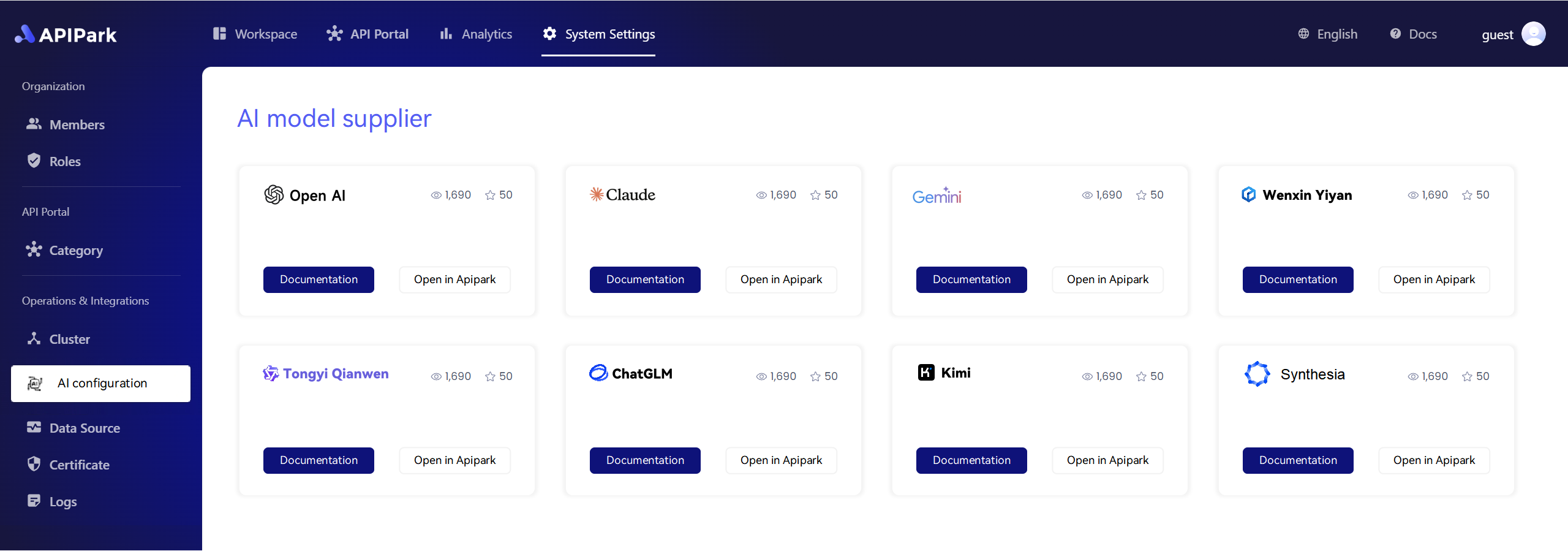
APIPark is a high-performance AI gateway that allows you to securely access the most comprehensive LLM APIs globally on the APIPark platform, including OpenAI, Anthropic, Mistral, Llama2, Google Gemini, and more.Try APIPark now! 👇👇👇
Core Concepts of Multi-Tenancy Load Balancing
Load Balancer Types
There are several types of load balancers, including:
- Layer 4 Load Balancers: Operate at the transport layer (TCP/UDP) and distribute traffic based on IP addresses and ports.
- Layer 7 Load Balancers: Operate at the application layer (HTTP/HTTPS) and distribute traffic based on application-level data, such as URL paths and HTTP headers.
- Global Load Balancers: Distribute traffic across multiple data centers or regions.
Load Balancing Algorithms
Common load balancing algorithms include:
- Round Robin: Distributes traffic evenly across available servers.
- Least Connections: Distributes traffic to the server with the fewest active connections.
- IP Hash: Distributes traffic based on the client's IP address.
- URL Hash: Distributes traffic based on the URL path.
Multi-Tenancy Considerations
When implementing multi-tenancy load balancing, it is important to consider:
- Tenant Identification: Unique identifiers for each tenant to ensure proper routing and isolation.
- Resource Allocation: Ensuring that each tenant has access to the necessary resources without impacting other tenants.
- Monitoring and Logging: Tracking performance and security metrics for each tenant.
Implementing Multi-Tenancy Load Balancing
Step-by-Step Guide
- Choose a Load Balancer: Select an appropriate load balancer based on your requirements and environment.
- Configure Tenant Identification: Set up unique identifiers for each tenant.
- Implement Load Balancing Algorithms: Configure the load balancing algorithm based on your needs.
- Test and Monitor: Continuously monitor the system and perform load testing to ensure optimal performance.
The Role of API Gateway in Multi-Tenancy Load Balancing
What is an API Gateway?
An API gateway is a single entry point for all API traffic. It routes requests to the appropriate backend service and provides a unified interface for API consumers. In a multi-tenant environment, an API gateway can play a crucial role in implementing multi-tenancy load balancing.
Benefits of Using an API Gateway
- Centralized Routing: Simplifies the routing of requests to the appropriate backend service.
- Security: Provides a centralized security layer for all API traffic.
- Rate Limiting and Throttling: Helps manage and control the traffic volume from different tenants.
- Logging and Monitoring: Collects logs and metrics for monitoring and troubleshooting.
APIPark: A Solution for Multi-Tenancy Load Balancing
Overview of APIPark
APIPark is an open-source AI gateway and API management platform designed to help developers and enterprises manage, integrate, and deploy AI and REST services with ease. It provides a comprehensive solution for multi-tenancy load balancing, offering features such as:
- Tenant Isolation: Ensures that each tenant's data and applications are isolated from others.
- API Routing: Routes API requests to the appropriate backend service based on tenant identification.
- Load Balancing: Distributes traffic across multiple backend instances to ensure optimal performance.
- Security: Provides a centralized security layer for all API traffic.
Key Features of APIPark
- Quick Integration of 100+ AI Models: APIPark offers the capability to integrate a variety of AI models with a unified management system for authentication and
🚀You can securely and efficiently call the OpenAI API on APIPark in just two steps:
Step 1: Deploy the APIPark AI gateway in 5 minutes.
APIPark is developed based on Golang, offering strong product performance and low development and maintenance costs. You can deploy APIPark with a single command line.
curl -sSO https://download.apipark.com/install/quick-start.sh; bash quick-start.sh
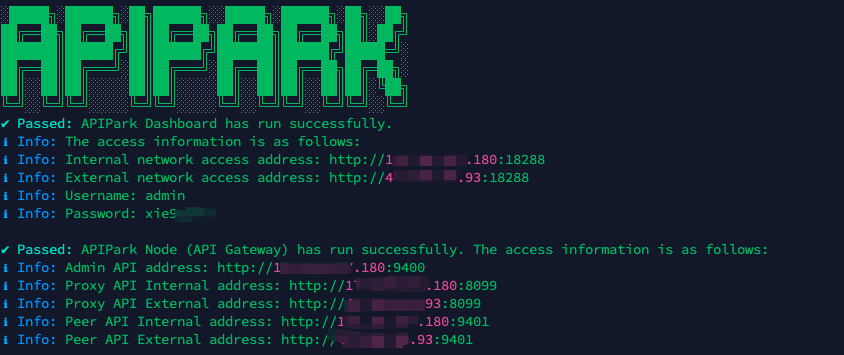
In my experience, you can see the successful deployment interface within 5 to 10 minutes. Then, you can log in to APIPark using your account.
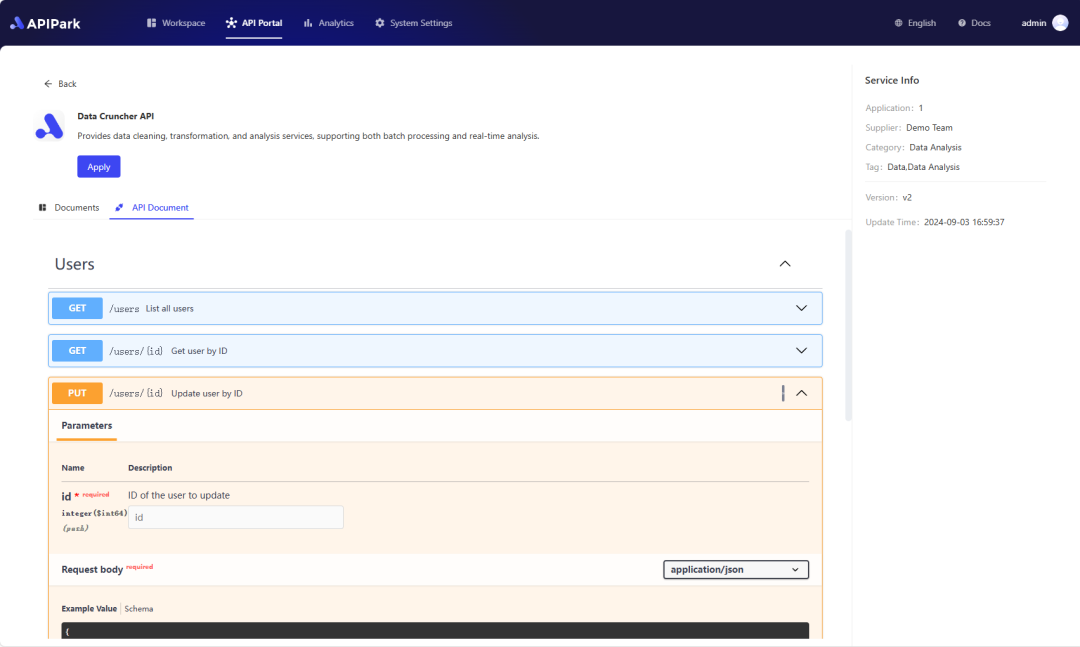
Step 2: Call the OpenAI API.