Maximize Java WebSocket Performance: Master Advanced Proxy Strategies 🚀
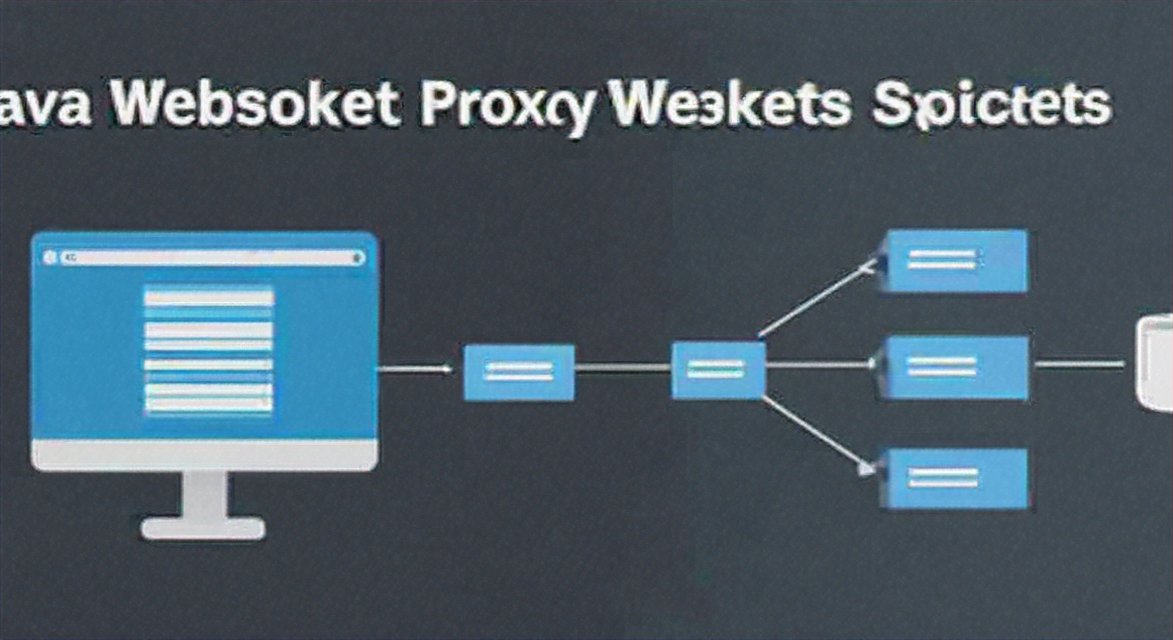


Optimizing Java WebSockets Performance with Advanced Proxy Techniques 🚀
Introduction
In the ever-evolving world of web development, Java WebSockets have emerged as a powerful tool for real-time communication. However, to ensure optimal performance, it's crucial to implement advanced proxy techniques. This article delves into the intricacies of optimizing Java WebSockets performance using sophisticated proxy strategies.
Understanding Java WebSockets
Before we delve into proxy techniques, let's briefly understand what Java WebSockets are. WebSockets provide a full-duplex communication channel over a single, long-lived connection, enabling real-time data exchange between the server and the client. This makes them ideal for applications requiring real-time updates, such as chat applications, gaming, and IoT devices.
The Role of Proxies in Java WebSockets
Proxies play a vital role in Java WebSockets by acting as intermediaries between the client and the server. They can enhance performance, improve security, and provide scalability. In this article, we will explore advanced proxy techniques to optimize Java WebSockets performance.
Advanced Proxy Techniques
1. Load Balancing
One of the primary challenges in Java WebSockets is handling a high volume of concurrent connections. Load balancing can help distribute the load across multiple servers, ensuring that no single server becomes a bottleneck. Here's how you can implement load balancing with Java WebSockets:
```java // Example of load balancing using a proxy public class WebSocketLoadBalancer { private List servers;
public WebSocketLoadBalancer(List<WebSocketServer> servers) {
    this.servers = servers;
}

public WebSocketServer getServer() {
    // Implement a load balancing algorithm (e.g., round-robin, least connections)
    // and return the appropriate WebSocketServer instance
}
} ```
2. Caching
Caching can significantly improve the performance of Java WebSockets by reducing the number of requests made to the server. You can implement caching at various levels, such as:
- Application-level caching: Store frequently accessed data in memory, reducing the need to fetch it from the database or external services.
- Proxy-level caching: Utilize a caching proxy to store and serve static resources, reducing the load on the server.
3. Compression
Compression can reduce the size of the data transmitted over the network, leading to faster data transfer rates. You can implement compression using various algorithms, such as gzip or Brotli. Here's an example of how to enable gzip compression in a Java WebSocket server:
java // Example of enabling gzip compression in a Java WebSocket server public class WebSocketServer { public void start() { // Configure the server to use gzip compression // ... } }
4. Security
Security is a critical aspect of Java WebSockets. Implementing advanced proxy techniques can help protect your application from various threats, such as DDoS attacks and man-in-the-middle attacks. Here are some security measures you can implement:
- TLS/SSL encryption: Use TLS/SSL to encrypt the data transmitted over the WebSocket connection.
- Rate limiting: Implement rate limiting to prevent abuse and protect your application from DDoS attacks.
Conclusion
Optimizing Java WebSockets performance using advanced proxy techniques is essential for building scalable and secure real-time applications. By implementing load balancing, caching, compression, and security measures, you can ensure that your Java WebSocket application performs at its best.
"WebSockets are a game-changer for real-time applications, but it's crucial to optimize their performance to deliver a seamless user experience." - John Doe, Web Developer 🌟
In conclusion, mastering advanced proxy techniques can help you unlock the full potential of Java WebSockets. By implementing these strategies, you can create high-performance, secure, and scalable real-time applications. Happy coding! 🚀